15
Years Of Experience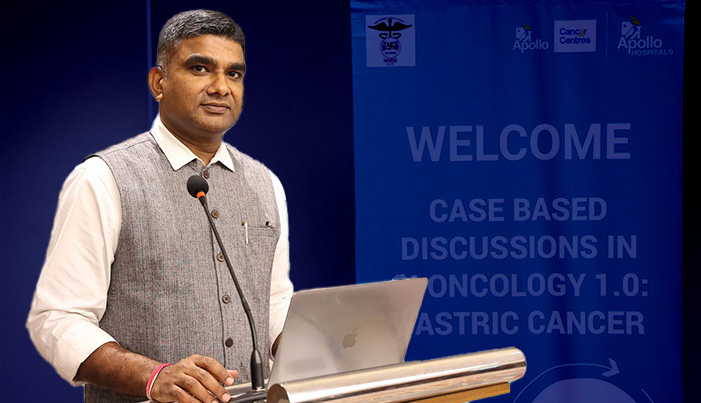

About
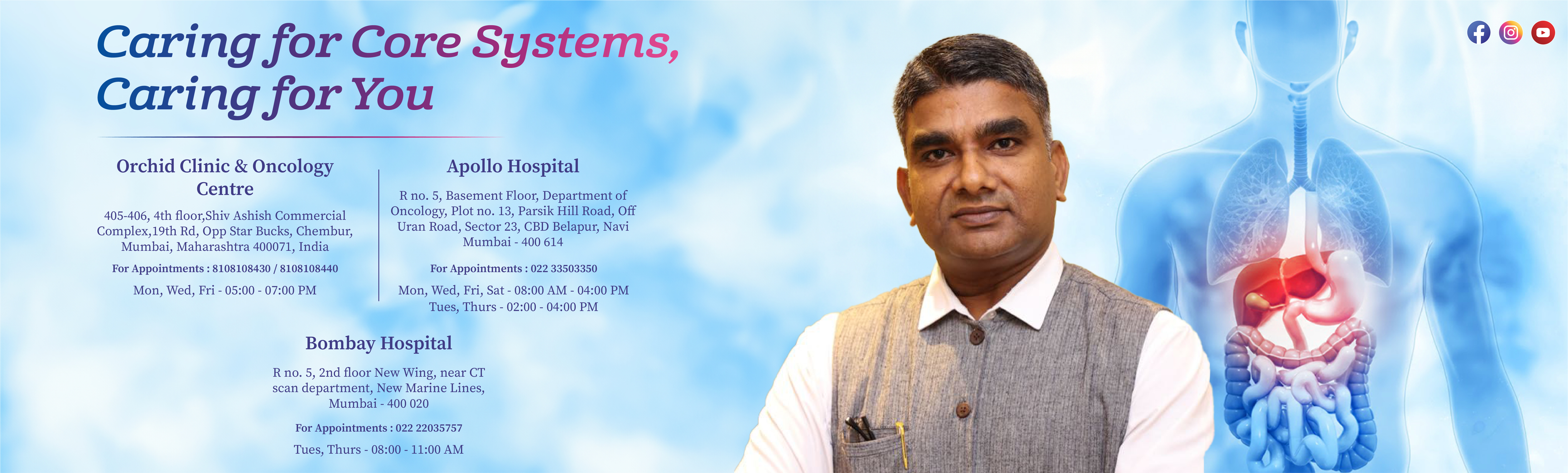
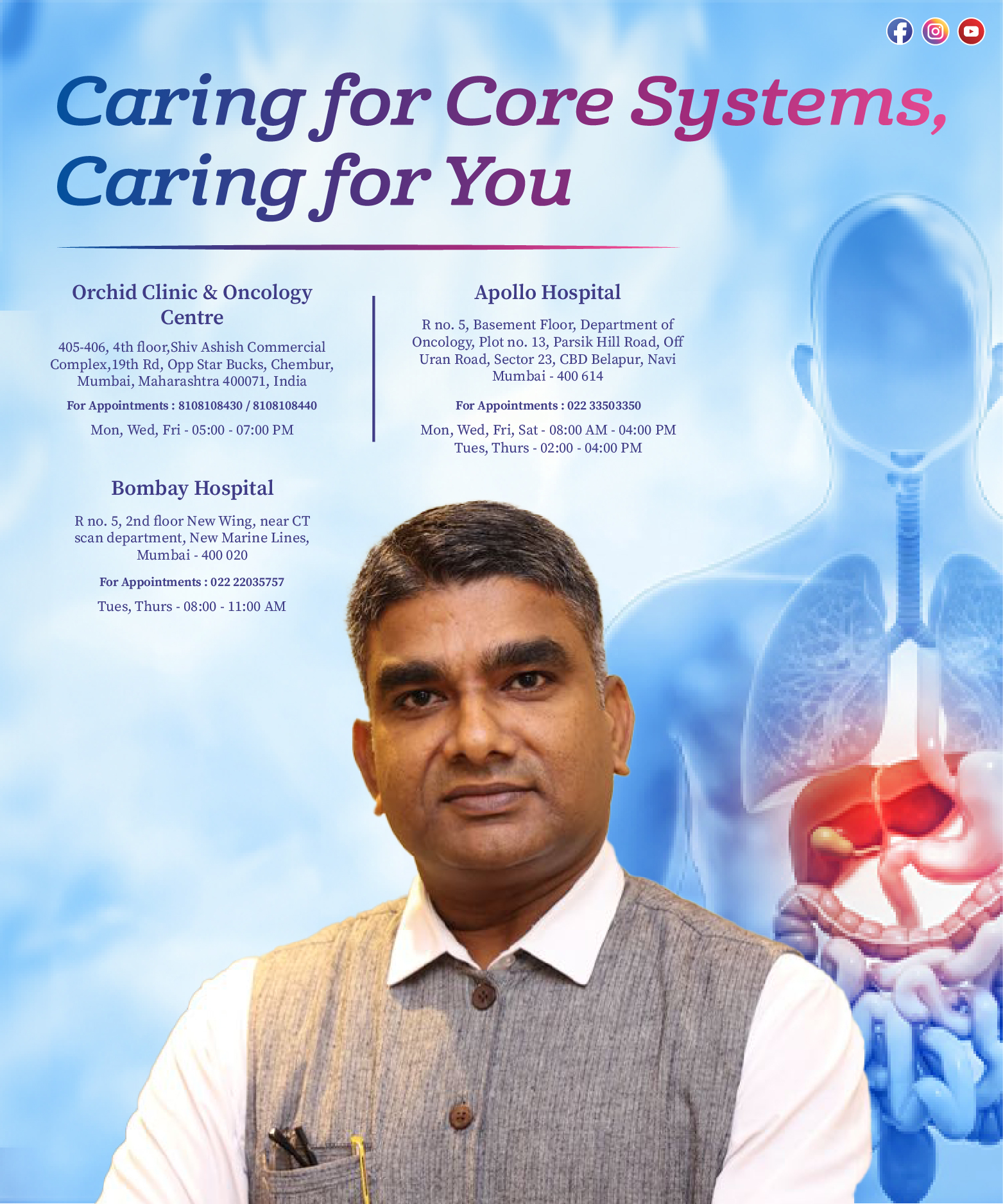
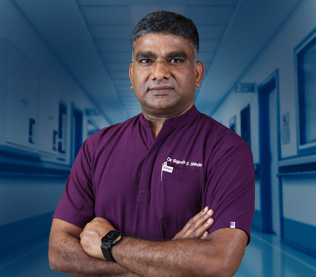
Expert Robotic GI, Colorectal & Thoracic Cancer Surgeon in Mumbai

Dr. Rajesh S. Shinde is a Consultant Surgical Oncologist specializing in GI, HPB, Colorectal, and Thoracic cancers. With over 15 years of experience, he has trained at premier institutions including Tata Memorial Hospital, Mumbai, and has completed international fellowships in South Korea and Italy in advanced cancer surgery.
Read MoreWhy Us!
Why So Many Patients Trust Dr. Rajesh Shinde
He is currently the Lead Consultant – GI & Thoracic Surgical Oncology and Professor of Surgical Oncology at Apollo Hospitals, Navi Mumbai. Known for his expertise in robotic and minimally invasive cancer surgery, Dr. Shinde is committed to delivering safe, personalized, and evidence-based cancer care.


Testimonial
Words of Trust

We sincerely thank Dr. Rajesh Shinde, one of the best cancer surgeons in Mumbai, for the outstanding care he provided to my father. From our very first consultation, we felt confident that we were in the safest hands. His expertise in robotic cancer surgery and his calm, professional approach made a remarkable difference in my father’s treatment and recovery. Dr. Shinde’s compassion, dedication, and clear guidance helped us stay strong during a difficult phase. We are deeply grateful for his continued support and care.
- Anuradha Sheth
Dr. Rajesh Shinde is one of the best surgical oncologists in Navi Mumbai at Apollo Hospitals Navi Mumbai. My mother received her cancer treatment under his care, and we are extremely grateful for the excellent medical support and timely guidance provided throughout her journey. His clear treatment plan, expert surgical skills, and compassionate approach gave us confidence at every step
- Kiran Nayak
Our experience with Dr. Rajesh Shinde, leading cancer surgeon in Navi Mumbai, was truly exceptional. From our very first consultation, he gave us the confidence and clarity to proceed with surgery for my wife’s tumor removal. His calm approach, detailed explanation, and compassionate care made a difficult journey much easier for our family.
- Vaibhav Kumar
I underwent HIPEC surgery in September 2020 under the care of Dr. Rajesh Shinde and his dedicated team. Throughout my entire cancer journey, I have never met a doctor so committed to his profession and so compassionate toward his patients. Dr. Rajesh Shinde personally encouraged me to walk in the ICU and continuously motivated me with his positivity and confidence. During my darkest phase, he truly became my ray of hope. His expertise in HIPEC surgery for peritoneal cancer and his patient-centric approach made all the difference in my recovery. Today, I am proud to say that I am 5 years cancer-free and still going strong. I feel deeply grateful and blessed to have been treated by one of the best surgical oncologists and HIPEC specialists in Mumbai. Thank you, Doctor, for giving me a second chance at life. You are truly God-sent.
- Hema Thakoor


Faq's